
The Science of Biostimulators: How Sculptra and Bellafill Rebuild Collagen Naturally

Biostimulators like Sculptra and Bellafill rebuild collagen by triggering your body’s own regenerative response rather than simply filling space. Sculptra uses poly-L-lactic acid to stimulate gradual collagen growth, while Bellafill combines a collagen matrix with PMMA microspheres for immediate structure and long-term support that integrates with natural tissue. Key Takeaways Biostimulators activate collagen production for gradual, natural-looking improvement rather than instant volume alone. Sculptra and Bellafill differ in composition, longevity, and ideal treatment goals, making personalized selection critical. Collagen rebuilding takes months, requiring patience and realistic expectations for optimal outcomes. Injector experience directly impacts safety, longevity, and the natural balance of results. What are biostimulators, and how do they differ from traditional dermal fillers? Biostimulators represent a shift in aesthetic medicine away from simply adding volume and toward restoring the skin’s underlying structure. Traditional dermal fillers, most commonly made with hyaluronic acid, work by physically filling space beneath the skin to smooth lines or enhance contours. Biostimulators work differently. Instead of acting as a temporary volume replacement, they stimulate fibroblasts to produce new collagen over time. This process strengthens the skin’s internal framework, improving firmness, elasticity, and overall skin quality. The timeline is another key difference. Dermal fillers often deliver immediate results, while biostimulators improve gradually over weeks and months. That slower progression is often what creates a more natural-looking outcome. How does collagen naturally decline as we age? Collagen production begins to decline in our mid-twenties, typically decreasing by about one percent each year. Factors such as sun exposure, pollution, smoking, and chronic inflammation accelerate this process. As collagen diminishes, skin becomes thinner and less resilient. This leads to hollowing, sagging, and changes in facial structure that go beyond surface wrinkles. Collagen loss is not evenly distributed. Areas like the cheeks, temples, and jawline often show structural changes first, which is why collagen-focused treatments can create more comprehensive rejuvenation. How does Sculptra stimulate collagen production? Sculptra is made from poly-L-lactic acid, a biocompatible material long used in medical applications. Once injected, it creates a controlled inflammatory response within the skin. This response signals fibroblasts to begin producing new collagen around the particles. Over time, the material is naturally metabolized, leaving behind your own collagen framework. Results develop gradually, often becoming noticeable after several weeks and continuing to improve for months. This makes Sculptra ideal for patients seeking subtle, progressive enhancement. Where is Sculptra commonly used? Sculptra is frequently used to address generalized facial volume loss, hollow temples, cheek flattening, and jawline laxity. It is also used in areas such as the neck and décolletage where collagen quality matters more than immediate volume. How does Bellafill rebuild collagen differently? Bellafill uses a dual-action approach. It contains bovine collagen for immediate correction and PMMA microspheres that provide long-term structural support. The collagen offers instant improvement, while the microspheres act as a scaffold that encourages your body to produce and deposit its own collagen around them. Unlike many fillers, Bellafill does not dissolve. When placed correctly, results can last five years or longer, making it one of the longest-lasting injectable options available. Why permanence requires expertise Because Bellafill is long-lasting, precise placement is critical. Experienced providers carefully evaluate anatomy, facial movement, and long-term aging patterns before recommending it. This product is not appropriate for every patient or every area, but it can deliver exceptional results when used thoughtfully. Which biostimulator is better for natural-looking results? Neither Sculptra nor Bellafill is inherently better. The best choice depends on anatomy, goals, and desired longevity. Sculptra is often chosen for patients who want global collagen improvement and gradual contour restoration. Bellafill is commonly selected for defined structural support or long-term correction of specific concerns. Natural-looking results come from individualized planning rather than product choice alone. How long does collagen rebuilding take with biostimulators? Collagen rebuilding is a slow biological process. With Sculptra, new collagen formation begins within weeks and continues for several months. Bellafill provides immediate correction due to its collagen base, but long-term collagen integration develops gradually as well. Patients often notice continued improvement long after initial swelling resolves, which is why follow-up evaluations are important. Are biostimulators safe when used correctly? Biostimulators have strong safety profiles when administered by trained professionals. Proper technique significantly reduces risks such as nodules or uneven texture. One practical pro-tip from experienced injectors is that post-treatment massage protocols, especially with Sculptra, play a major role in achieving smooth results. Who is a good candidate for collagen-stimulating treatments? Good candidates include individuals experiencing volume loss, skin thinning, or early laxity who want natural-looking improvement. Biostimulators are especially beneficial for patients who feel traditional fillers make them look overfilled or puffy. How does provider experience influence biostimulator outcomes? Injection depth, spacing, dilution, and anatomical understanding all affect how collagen forms. Experience directly impacts both safety and aesthetic balance. At Timeless Aesthetics, the team brings over 20 years of experience in Colorado Springs, serving patients from areas like Briargate, Old Colorado City, Monument, and nearby Manitou Springs. What should patients expect during recovery? Downtime is typically minimal. Mild swelling, tenderness, or bruising may occur for a few days. Patients should evaluate results over months rather than days, especially with collagen-based treatments. FAQ How many Sculptra sessions are usually needed? Most patients require two to three sessions spaced several weeks apart, depending on collagen loss and treatment goals. Can Bellafill be reversed if I change my mind? Bellafill is long-lasting and not easily reversible, which is why careful patient selection is essential. When should results be evaluated? True collagen improvement is best assessed several months after treatment, once swelling has fully resolved. For firsthand perspectives, you can see what our customers are saying. Timeless Aesthetics, LLC is the award-winning med spa in Colorado Springs, proudly providing aesthetic treatments with over 13 years of operational history and backed by founder Susie Reese, RN’s, over 24 years of personal experience. Operating from our expansive, newly established medspa space since 2023, our expert team specializes in advanced Colorado Springs aesthetic treatments, including wrinkle reducers
Exosomes vs. PRP: Which Regenerative Treatment is Best for Colorado Springs Skin?
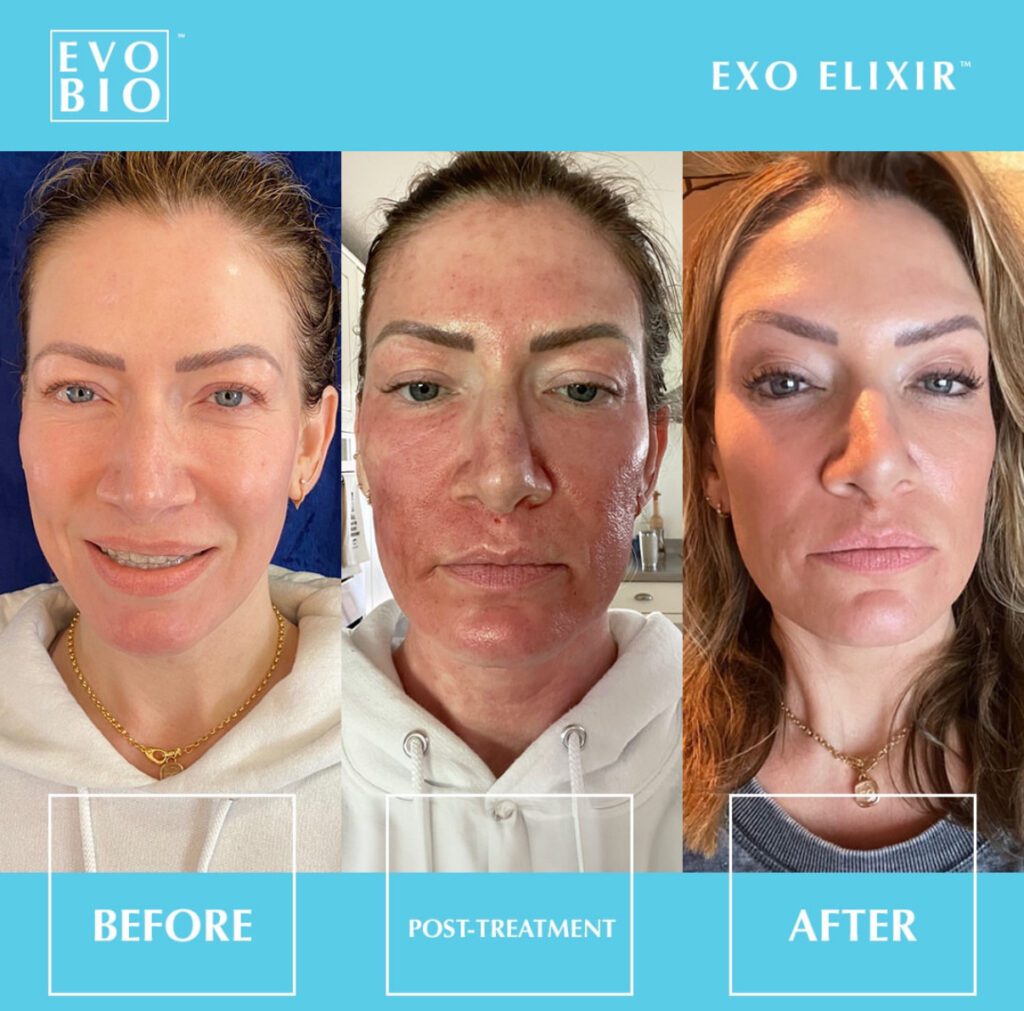
Exosomes and PRP both aim to stimulate skin regeneration, but exosomes deliver concentrated growth signals directly without blood draws, while PRP relies on your body’s platelet response. For Colorado Springs skin concerns like texture, tone, and recovery after treatments, exosomes often provide more consistent, predictable results with less downtime and variability. Key Takeaways Exosomes and PRP work differently at the cellular level, leading to different consistency and recovery profiles. PRP results depend heavily on individual blood quality, while exosomes offer standardized dosing. Exosomes can be especially beneficial when paired with advanced aesthetic treatments. Ethical sourcing and product quality matter when choosing regenerative skin solutions. What Are Exosomes and How Do They Work in Skin Regeneration? Exosomes are microscopic extracellular vesicles that act as messengers between cells. They carry growth factors, peptides, lipids, and genetic signals that instruct skin cells to repair, regenerate, and function more efficiently. In aesthetics, exosomes are applied topically or infused into the skin after treatments that create microchannels. Once absorbed, they signal fibroblasts and other skin cells to increase collagen production, improve barrier function, and support overall skin health. At Timeless Aesthetics, LLC, exosomes are sourced exclusively from Evolutionary Biologics (EvoBio™). Their EXO ELIXIR™ product is derived from ethically donated, umbilical-derived Wharton’s Jelly, ensuring safety, potency, and consistency in regenerative signaling. Timeless Aesthetics, LLC has been serving Colorado Springs for over 13 years, bringing evidence-informed regenerative treatments to clients throughout Briargate, Old Colorado City, and surrounding areas. What Is PRP and Why Has It Been Popular in Aesthetics? Platelet-rich plasma, or PRP, is created by drawing a patient’s blood and spinning it in a centrifuge to concentrate platelets. These platelets release growth factors that may help stimulate healing and collagen production when reintroduced into the skin. PRP gained popularity because it uses the body’s own biological material. In theory, that autologous approach feels reassuring and natural to many patients seeking regenerative options. However, PRP’s effectiveness can vary widely. Factors like hydration, age, stress levels, medications, and overall health directly affect platelet concentration and growth factor quality, which can lead to inconsistent outcomes. For high-altitude cities like Colorado Springs, dehydration alone can significantly impact PRP results, especially for patients who spend time outdoors near Garden of the Gods, The Broadmoor, or Cheyenne Mountain. Exosomes vs. PRP: What Are the Key Differences? While both treatments fall under regenerative aesthetics, their mechanisms, predictability, and patient experience differ in meaningful ways. Source and Consistency Exosomes are lab-processed and standardized, meaning each application delivers a consistent concentration of regenerative signals. This consistency is a key reason many providers prefer exosomes for skin-focused treatments. PRP is patient-dependent. Two people receiving PRP on the same day may experience very different results due to variations in blood quality, platelet concentration, and overall health. Treatment Experience Exosome treatments do not require blood draws, which simplifies the appointment and reduces discomfort for many patients. This also eliminates variables associated with blood handling. PRP requires venipuncture, centrifugation, and reinjection or topical application. For some patients, this process can add stress or physical discomfort. Downtime and Recovery Exosomes are commonly used to enhance healing after treatments like microneedling or energy-based procedures. They often support faster recovery, calmer skin, and reduced post-treatment inflammation. PRP can sometimes increase swelling or redness after treatment, particularly when injected, which may extend visible downtime. Predictability of Results Because exosomes deliver direct cellular instructions rather than relying on the body’s platelet response, outcomes tend to be more uniform across patients. PRP results, even when properly administered, can be harder to predict. Which Treatment Is Better for Colorado Springs Skin Conditions? Colorado Springs presents unique environmental challenges for skin health. High elevation, dry air, intense UV exposure, and frequent temperature swings all place additional stress on the skin barrier and collagen matrix. Exosomes can be particularly helpful for compromised skin barriers, post-procedure healing in arid climates, collagen support affected by UV exposure, and enhancing results from advanced aesthetic treatments. PRP may still offer benefits for some individuals, but variability becomes more noticeable in high-altitude environments where hydration and circulation fluctuate. For many local patients, consistency and recovery speed matter more than the theoretical appeal of autologous treatments. Why Product Quality and Ethics Matter in Regenerative Aesthetics Not all exosomes are created equal. Sourcing, processing methods, and regulatory oversight play a significant role in both safety and effectiveness. Evolutionary Biologics’ EvoBio™ platform emphasizes ethical donor sourcing, rigorous screening protocols, controlled manufacturing environments, and scientific validation of regenerative activity. EXO ELIXIR™ is specifically formulated for skin applications, focusing on texture refinement, tone improvement, and post-treatment recovery support. Choosing ethically sourced, well-documented regenerative products helps reduce risk while supporting more reliable outcomes over time. How Exosomes Are Used Alongside Advanced Skin Treatments Exosomes are rarely used as standalone treatments. Their real strength lies in how they amplify and support other procedures. They are commonly paired with microneedling, energy-based skin tightening treatments, laser resurfacing recovery protocols, and corrective facials targeting texture and tone. By applying exosomes immediately after these treatments, the skin is more receptive to regenerative signals. This synergy often leads to improved comfort during recovery and more visible improvements as collagen production increases in the weeks that follow. A Technician’s Pro-Tip From Real-World Experience One consistent observation from providers working in Colorado Springs is how skin behaves in the first 48 hours after treatment. In our dry, high-altitude climate, patients who receive exosomes often show calmer redness and more stable hydration early in the healing process. That early recovery window matters. When skin stabilizes faster, it creates a stronger foundation for long-term improvement rather than reactive inflammation. Are Exosomes Safer Than PRP? Both treatments are generally considered safe when administered appropriately. However, their risk profiles differ in subtle but important ways. PRP depends on sterile blood handling and patient-specific factors that can affect quality. Exosomes eliminate blood-related variables and are processed under controlled laboratory conditions, which can feel reassuring for patients who prefer a more standardized approach. Cost Considerations and Long-Term Value Upfront pricing between exosomes