High-Altitude Skincare: Why 6,033 Feet Requires a Different Aesthetic Approach

At 6,033 feet above sea level, skin is exposed to stronger UV radiation, lower humidity, and increased transepidermal water loss, accelerating aging and irritation. High-altitude skincare requires targeted hydration, barrier repair, advanced sun protection, and strategic in-office treatments to maintain healthy, resilient skin in Colorado Springs. Key Takeaways Colorado Springs’ elevation intensifies UV exposure and dehydration, requiring stronger daily sun protection and barrier support. High-altitude conditions can worsen rosacea, hyperpigmentation, and premature fine lines without proper care. Professional treatments like chemical peels, microneedling, and laser therapies must be adjusted for altitude-related sensitivity. A personalized plan combining medical-grade skincare and in-office treatments delivers the most consistent results. Colorado Springs sits at 6,033 feet, placing residents significantly closer to the sun than sea-level cities like Los Angeles or Houston. That elevation difference is not just a scenic perk. It changes how your skin behaves every single day. Timeless Aesthetics, LLC has served the Colorado Springs community for over 13 years, and one of the most common concerns patients mention is persistent dryness, unexpected sun damage, and irritation that seems harder to control than when they lived at lower elevations. The environment here is beautiful, but it is demanding. Understanding high-altitude skincare: why 6,033 feet requires a different aesthetic approach begins with recognizing how climate, air pressure, and UV intensity work together to stress the skin barrier. Why does skin age faster at high altitude? At higher elevations, ultraviolet radiation increases by approximately 10 to 12 percent for every 1,000 meters gained. In practical terms, that means Colorado Springs residents receive significantly more UV exposure than someone at sea level, even on overcast days. This heightened exposure accelerates photoaging. Collagen breaks down more quickly. Fine lines appear sooner. Pigmentation issues such as melasma and sunspots become more stubborn. Lower atmospheric pressure also contributes to increased transepidermal water loss. The skin loses moisture more easily, compromising the protective barrier. When the barrier weakens, inflammation rises, and chronic redness or sensitivity can follow. We often see patients from Briargate and Flying Horse who use sunscreen regularly but still develop sun damage. The issue is not just wearing sunscreen. It is wearing the correct formulation, reapplying appropriately, and pairing it with antioxidant protection. The dehydration factor Colorado Springs has low humidity year-round. Dry air pulls moisture from the skin, leaving it tight and dull. This dryness can lead to: Flaky texture Increased fine lines Sensitivity to active ingredients Slower healing after treatments One of our clinicians often tells patients that at altitude, hydration is not optional. It is foundational. Without restoring the barrier first, even the most advanced treatments will underperform. How does high altitude affect common skin conditions? Altitude does not create skin conditions, but it can absolutely intensify them. Rosacea and chronic redness Wind exposure, temperature swings, and increased UV radiation can trigger flare-ups. Patients near Garden of the Gods often experience wind-related irritation combined with sun sensitivity during outdoor activities. Targeted laser treatments such as Aerolase can help calm visible redness, but barrier-supporting skincare at home is equally important. Hyperpigmentation and melasma Stronger UV exposure stimulates melanocytes more aggressively. Even brief outdoor exposure without protection can worsen pigmentation. This is why tinted mineral SPF products with iron oxides are often recommended. They provide added protection against visible light, which can also deepen melasma. Acne and inflammation Dry air can paradoxically increase oil production. When skin becomes dehydrated, sebaceous glands may compensate by producing more oil, contributing to breakouts. In these cases, gentle chemical peels and medical-grade retinoids must be carefully introduced. Over-aggressive exfoliation at altitude can worsen irritation rather than improve clarity. What professional treatments work best in Colorado Springs’ climate? When discussing high-altitude skincare: why 6,033 feet requires a different aesthetic approach, treatment customization becomes critical. Chemical peels At higher elevations, lighter-depth peels are often preferred initially. The skin may be more reactive due to chronic dryness and UV stress. Superficial peels containing mandelic acid or lactic acid can improve texture and pigmentation without overwhelming the barrier. Microneedling and RF treatments Microneedling stimulates collagen production, which is especially valuable in a high-UV environment where collagen breakdown is accelerated. Radiofrequency microneedling, such as Morpheus8, can address skin laxity caused by photoaging. However, post-procedure hydration protocols must be strict. We often recommend a recovery plan including ceramide-rich moisturizers and hyaluronic acid serums. Pro tip from one of our providers: schedule collagen-stimulating treatments during fall or winter in Colorado Springs whenever possible. UV exposure is still present, but patients are generally less active outdoors, reducing post-treatment sun risk. Laser therapies Devices like Aerolase are effective for redness, pigmentation, and acne. High altitude does not prevent laser use, but strict pre- and post-care sun protection is essential. Patients who hike Red Rock Canyon or train outdoors must be especially diligent about avoiding direct sun exposure during recovery. What should a daily high-altitude skincare routine include? A routine at 6,033 feet must prioritize protection and repair. Morning routine essentials Antioxidant serum containing vitamin C Barrier-supporting moisturizer with ceramides Broad-spectrum mineral sunscreen SPF 30 or higher Optional tinted SPF for additional visible light protection Reapplication every two hours outdoors is critical. Colorado’s sunshine is intense year-round. Evening routine essentials Gentle cleanser that does not strip natural oils Targeted treatment such as retinol or pigment corrector Rich moisturizer to restore barrier integrity Hydration layering is often helpful. Applying hyaluronic acid on damp skin, followed by a thicker cream, improves moisture retention. Is sunscreen really more important at 6,033 feet? Yes. And not just in summer. UV exposure increases with altitude and reflects off snow during winter. Skiers and snowboarders frequently develop severe sunburn without realizing the intensity of reflected UV radiation. Daily SPF is not seasonal here. It is year-round. Even driving east toward Falcon exposes skin to significant cumulative UV damage. The concept behind high-altitude skincare: why 6,033 feet requires a different aesthetic approach hinges on this reality. Prevention must be more aggressive than in coastal climates. How do lifestyle factors in Colorado Springs influence skin health?
The Decline Of Overfilling: Why ‘Micro-Botox’ And Subtle Fillers Are Trending
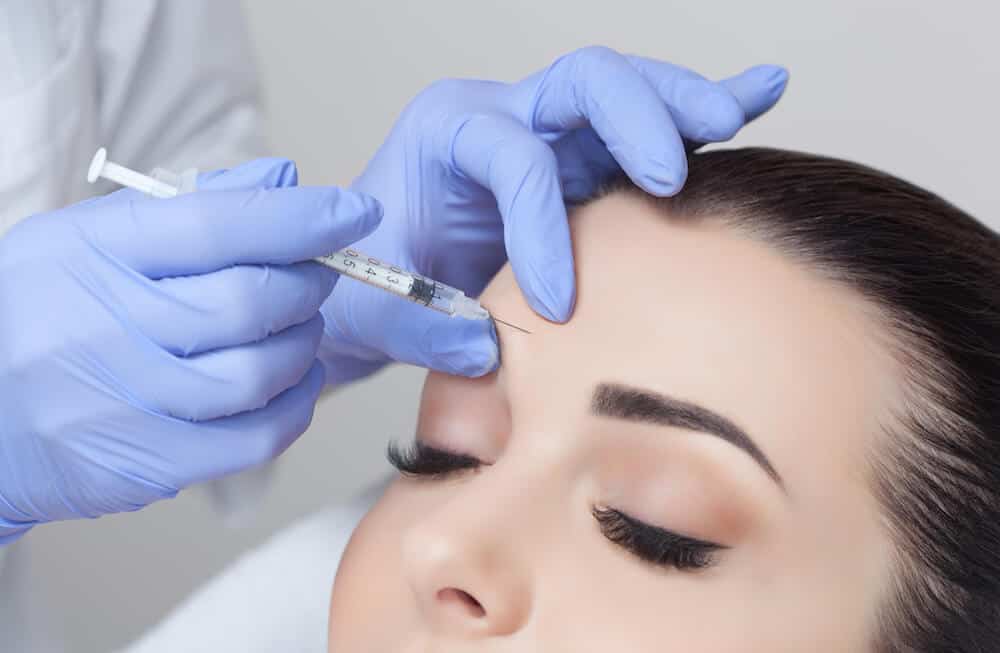
Overfilled cheeks and exaggerated lips are falling out of favor as patients shift toward subtle, anatomy-driven enhancements. Micro-Botox and conservative dermal filler techniques offer smoother skin, refined contours, and natural facial movement. The trend reflects a broader demand for personalized, balanced results that prioritize long-term skin health over dramatic volume. Key Takeaways Patients are moving away from heavy filler and toward subtle, structural refinement. Micro-Botox uses diluted neurotoxin to improve texture and pores without freezing expression. Conservative filler placement supports facial harmony and long-term skin integrity. Skilled injectors prioritize anatomy, collagen support, and gradual enhancement. In aesthetic medicine, trends rarely shift overnight. Instead, they evolve as patients become more educated, providers refine techniques, and cultural preferences change. The decline of overfilling: why ‘micro-botox’ and subtle fillers are trending is not about abandoning injectables. It is about using them differently. At Timeless Aesthetics, LLC, with over 13 years in business serving Colorado Springs, we have watched preferences move from dramatic transformations toward refined, natural-looking results. Clients in neighborhoods like Briargate and Flying Horse consistently ask for enhancements that look like them, just rested and refreshed. What Caused The Rise And Fall Of Overfilling? Overfilling became popular during the height of social media filter culture. Dramatic cheek projection, exaggerated lips, and hyper-contoured jawlines translated well on camera. Platforms like Instagram and TikTok amplified a stylized look that often relied on heavy use of hyaluronic acid fillers such as Juvederm and Restylane. However, what photographs well does not always translate beautifully in real life. Over time, patients began noticing facial heaviness, pillow-like cheeks, blurred jawlines, and reduced natural movement. Board-certified dermatologists and plastic surgeons began speaking openly about filler fatigue. The American Society of Plastic Surgeons has reported increasing numbers of patients seeking filler dissolution using hyaluronidase. The pendulum naturally began to swing in the opposite direction. Subtlety became aspirational. What Is Micro-Botox And How Is It Different From Traditional Botox? Micro-Botox, sometimes referred to as Baby Botox, involves injecting highly diluted botulinum toxin superficially into the skin rather than deeply into the muscle. Brands like Botox Cosmetic and Dysport are commonly used in these treatments. Traditional Botox targets muscle contraction to soften dynamic wrinkles such as crow’s feet or frown lines. Micro-Botox, by contrast, focuses on minimizing pore size, reducing oil production, softening fine lines, improving skin texture, and creating a subtle tightening effect. Because the injections are placed more superficially and in smaller units, facial movement remains intact. Patients often describe the effect as airbrushed skin rather than frozen expression. One of our injectors often tells clients near Garden of the Gods that the goal is not to stop you from smiling. It is to let you smile without deep creasing. That distinction matters. Why Are Patients Asking For More Natural Results? The shift reflects broader cultural changes. Patients are more informed than ever and routinely research anatomy, product longevity, and injector credentials before booking appointments. Several key factors drive the demand for subtle fillers. Facial Harmony Over Volume Overfilling often ignored facial proportions. Today’s approach respects the natural ratios of the face, including the balance between midface volume and chin projection. Longevity And Skin Health Repeated large-volume filler placement can stretch tissue over time. Conservative dosing supports collagen stimulation without distorting natural structures. Professional And Social Comfort Many professionals in Colorado Springs, including those working downtown or near the U.S. Air Force Academy, prefer results that do not spark obvious commentary. Subtle enhancements allow patients to maintain credibility and confidence. The Influence Of Celebrity Transparency Public figures dissolving filler and openly discussing overdone results has normalized the desire for refinement. How Do Subtle Fillers Support Long-Term Skin Integrity? Hyaluronic acid fillers like Restylane and Juvederm are still widely used. The difference lies in technique and dosage. Rather than filling lines directly, skilled injectors focus on structural support. Small amounts are placed strategically to restore midface support, chin definition, subtle lip hydration, and jawline balance. This approach avoids the pillow face phenomenon and works with the body’s natural collagen production. From a technical standpoint, less filler placed in the correct plane often produces better results than excess filler placed superficially. Depth and anatomy matter more than syringe count. Is The Decline Of Overfilling: Why ‘Micro-Botox’ And Subtle Fillers Are Trending Just A Fad? Trends come and go, but anatomy does not change. The movement toward natural results aligns with medical best practices. Board-certified injectors trained in advanced anatomy courses accredited by organizations such as the American Academy of Facial Esthetics emphasize vascular mapping, conservative dosing, layer-specific placement, and individualized treatment plans. The decline of overfilling: why ‘micro-botox’ and subtle fillers are trending reflects a maturation of the aesthetic industry rather than a passing social media moment. What Does A Balanced Treatment Plan Look Like Today? Modern aesthetic plans often combine Micro-Botox for texture, strategic dermal filler for support, skin resurfacing treatments like chemical peels, and energy-based devices such as radiofrequency microneedling. Instead of chasing volume, providers focus on overall skin quality and cohesive facial balance. Patients frequently say they want others to notice they look well-rested, not injected. How Do You Avoid Looking Overfilled? Avoiding overfilling begins with injector selection. Look for providers with extensive clinical training who understand facial anatomy deeply and recommend gradual enhancement. A reputable provider will sometimes say no to additional filler. That restraint signals expertise. Hyaluronic acid fillers can last 6 to 18 months depending on placement and metabolism. Topping off too soon increases the risk of product accumulation. If you are unsure about your provider’s approach, you can always see what our customers are saying and evaluate patient experiences. Why Is Skin Quality Becoming The New Standard Of Beauty? The aesthetic conversation is shifting from volume to vitality. Patients now prioritize even tone, smooth texture, controlled oil production, and subtle lift. Micro-Botox directly supports this trend by targeting sebaceous glands and superficial muscle fibers. Treatments like laser therapy and microneedling complement injectables, emphasizing prevention and maintenance over dramatic correction. How Does Social Media Influence