
At 6,033 feet above sea level, skin is exposed to stronger UV radiation, lower humidity, and increased transepidermal water loss, accelerating aging and irritation. High-altitude skincare requires targeted hydration, barrier repair, advanced sun protection, and strategic in-office treatments to maintain healthy, resilient skin in Colorado Springs.
Key Takeaways
- Colorado Springs’ elevation intensifies UV exposure and dehydration, requiring stronger daily sun protection and barrier support.
- High-altitude conditions can worsen rosacea, hyperpigmentation, and premature fine lines without proper care.
- Professional treatments like chemical peels, microneedling, and laser therapies must be adjusted for altitude-related sensitivity.
- A personalized plan combining medical-grade skincare and in-office treatments delivers the most consistent results.
Colorado Springs sits at 6,033 feet, placing residents significantly closer to the sun than sea-level cities like Los Angeles or Houston. That elevation difference is not just a scenic perk. It changes how your skin behaves every single day.
Timeless Aesthetics, LLC has served the Colorado Springs community for over 13 years, and one of the most common concerns patients mention is persistent dryness, unexpected sun damage, and irritation that seems harder to control than when they lived at lower elevations. The environment here is beautiful, but it is demanding.
Understanding high-altitude skincare: why 6,033 feet requires a different aesthetic approach begins with recognizing how climate, air pressure, and UV intensity work together to stress the skin barrier.
Why does skin age faster at high altitude?
At higher elevations, ultraviolet radiation increases by approximately 10 to 12 percent for every 1,000 meters gained. In practical terms, that means Colorado Springs residents receive significantly more UV exposure than someone at sea level, even on overcast days.
This heightened exposure accelerates photoaging. Collagen breaks down more quickly. Fine lines appear sooner. Pigmentation issues such as melasma and sunspots become more stubborn.
Lower atmospheric pressure also contributes to increased transepidermal water loss. The skin loses moisture more easily, compromising the protective barrier. When the barrier weakens, inflammation rises, and chronic redness or sensitivity can follow.
We often see patients from Briargate and Flying Horse who use sunscreen regularly but still develop sun damage. The issue is not just wearing sunscreen. It is wearing the correct formulation, reapplying appropriately, and pairing it with antioxidant protection.
The dehydration factor
Colorado Springs has low humidity year-round. Dry air pulls moisture from the skin, leaving it tight and dull.
This dryness can lead to:
- Flaky texture
- Increased fine lines
- Sensitivity to active ingredients
- Slower healing after treatments
One of our clinicians often tells patients that at altitude, hydration is not optional. It is foundational. Without restoring the barrier first, even the most advanced treatments will underperform.
How does high altitude affect common skin conditions?
Altitude does not create skin conditions, but it can absolutely intensify them.
Rosacea and chronic redness
Wind exposure, temperature swings, and increased UV radiation can trigger flare-ups. Patients near Garden of the Gods often experience wind-related irritation combined with sun sensitivity during outdoor activities.
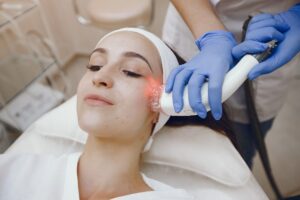
Targeted laser treatments such as Aerolase can help calm visible redness, but barrier-supporting skincare at home is equally important.
Hyperpigmentation and melasma
Stronger UV exposure stimulates melanocytes more aggressively. Even brief outdoor exposure without protection can worsen pigmentation.
This is why tinted mineral SPF products with iron oxides are often recommended. They provide added protection against visible light, which can also deepen melasma.
Acne and inflammation
Dry air can paradoxically increase oil production. When skin becomes dehydrated, sebaceous glands may compensate by producing more oil, contributing to breakouts.
In these cases, gentle chemical peels and medical-grade retinoids must be carefully introduced. Over-aggressive exfoliation at altitude can worsen irritation rather than improve clarity.
What professional treatments work best in Colorado Springs’ climate?
When discussing high-altitude skincare: why 6,033 feet requires a different aesthetic approach, treatment customization becomes critical.
Chemical peels
At higher elevations, lighter-depth peels are often preferred initially. The skin may be more reactive due to chronic dryness and UV stress.
Superficial peels containing mandelic acid or lactic acid can improve texture and pigmentation without overwhelming the barrier.
Microneedling and RF treatments
Microneedling stimulates collagen production, which is especially valuable in a high-UV environment where collagen breakdown is accelerated.
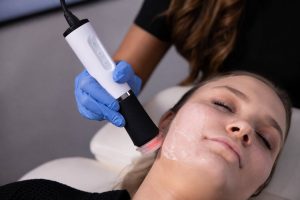
Radiofrequency microneedling, such as Morpheus8, can address skin laxity caused by photoaging. However, post-procedure hydration protocols must be strict. We often recommend a recovery plan including ceramide-rich moisturizers and hyaluronic acid serums.
Pro tip from one of our providers: schedule collagen-stimulating treatments during fall or winter in Colorado Springs whenever possible. UV exposure is still present, but patients are generally less active outdoors, reducing post-treatment sun risk.
Laser therapies
Devices like Aerolase are effective for redness, pigmentation, and acne. High altitude does not prevent laser use, but strict pre- and post-care sun protection is essential.
Patients who hike Red Rock Canyon or train outdoors must be especially diligent about avoiding direct sun exposure during recovery.
What should a daily high-altitude skincare routine include?
A routine at 6,033 feet must prioritize protection and repair.
Morning routine essentials
- Antioxidant serum containing vitamin C
- Barrier-supporting moisturizer with ceramides
- Broad-spectrum mineral sunscreen SPF 30 or higher
- Optional tinted SPF for additional visible light protection
Reapplication every two hours outdoors is critical. Colorado’s sunshine is intense year-round.
Evening routine essentials
- Gentle cleanser that does not strip natural oils
- Targeted treatment such as retinol or pigment corrector
- Rich moisturizer to restore barrier integrity
Hydration layering is often helpful. Applying hyaluronic acid on damp skin, followed by a thicker cream, improves moisture retention.
Is sunscreen really more important at 6,033 feet?
Yes. And not just in summer.
UV exposure increases with altitude and reflects off snow during winter. Skiers and snowboarders frequently develop severe sunburn without realizing the intensity of reflected UV radiation.
Daily SPF is not seasonal here. It is year-round. Even driving east toward Falcon exposes skin to significant cumulative UV damage.
The concept behind high-altitude skincare: why 6,033 feet requires a different aesthetic approach hinges on this reality. Prevention must be more aggressive than in coastal climates.
How do lifestyle factors in Colorado Springs influence skin health?
Outdoor culture plays a major role.
Residents frequently hike, cycle, and run. While these activities support overall health, they increase environmental exposure.
Windburn, sunburn, and dehydration compound over time. Adding protective accessories like wide-brim hats and sunglasses reduces cumulative damage.
Hydration from within also matters. Increased altitude can contribute to mild dehydration. Drinking adequate water supports skin resilience.
Combining in-office treatments with medical-grade skincare
Results are best when treatments and home care work together.
For example:
- Microneedling boosts collagen
- Vitamin C supports antioxidant protection
- Retinoids enhance cell turnover
- SPF prevents new damage
Skipping any component weakens the overall strategy.
Patients often ask whether one laser session or one peel is enough. The honest answer is that consistency matters more than intensity. A strategic, seasonal plan produces longer-lasting results.
If you are curious how others have experienced these adjustments, you can see what our customers are saying.
Frequently Asked Questions
Can I use retinol at high altitude?
Yes, but start slowly. The dry climate increases the risk of irritation. Use it two to three nights per week initially and pair it with a strong moisturizer.
Do I need a stronger SPF in Colorado Springs?
SPF 30 is the minimum recommendation, but SPF 50 is often preferred for extended outdoor activity. Mineral-based formulas with zinc oxide provide reliable protection.
Are chemical peels safe at high altitude?
Yes, when customized. Providers may start with lighter peels and gradually increase strength depending on your skin’s tolerance.
Why does my skin feel tighter here than at sea level?
Lower humidity increases water loss from the skin. This leads to dryness and tightness unless hydration is consistently replenished.
High-altitude skincare: why 6,033 feet requires a different aesthetic approach is not about dramatic changes overnight. It is about understanding your environment and building a plan that protects and strengthens your skin over time.
Timeless Aesthetics, LLC is the award-winning med spa in Colorado Springs, proudly providing aesthetic treatments with over 13 years of operational history and backed by founder Susie Reese, RN’s, over 24 years of personal experience. Operating from our expansive, newly established medspa space since 2023, our expert team specializes in advanced Colorado Springs aesthetic treatments, including wrinkle reducers like Botox and Dysport, dermal and lip fillers, as well as advanced skin tightening and facial contouring services. We also offer comprehensive skin texture treatments like Aerolase and chemical peels, body sculpting treatments, and restorative facials. When searching for the best full-service med spa in Colorado Springs for customized, natural-looking results, find your partner in timeless beauty on Google Maps and discover the difference specialized, long-term expertise makes.